New York | Hopes of easing tensions in the Middle East suffered a major setback after high-stakes talks between the United States and Iran collapsed without a breakthrough, triggering fresh geopolitical uncertainty and sending global oil prices soaring above the $100 mark.
The marathon negotiations, held in Islamabad, stretched over nearly 21 hours but failed to produce any agreement. The talks were aimed at turning a temporary ceasefire into a more durable peace arrangement, but both sides walked away with sharp differences, deepening fears of renewed conflict.

Talks Collapse, Tensions Rise
US Vice President JD Vance stated that Tehran had refused to accept Washington’s conditions for ending hostilities, prompting his early return to the United States. Iranian officials, however, countered by accusing the US of placing “unreasonable demands” on the table.
With diplomacy stalled, the situation has quickly escalated. The United States Central Command announced that maritime traffic to and from Iranian ports would face restrictions starting later in the day, effectively signalling the beginning of a naval blockade.
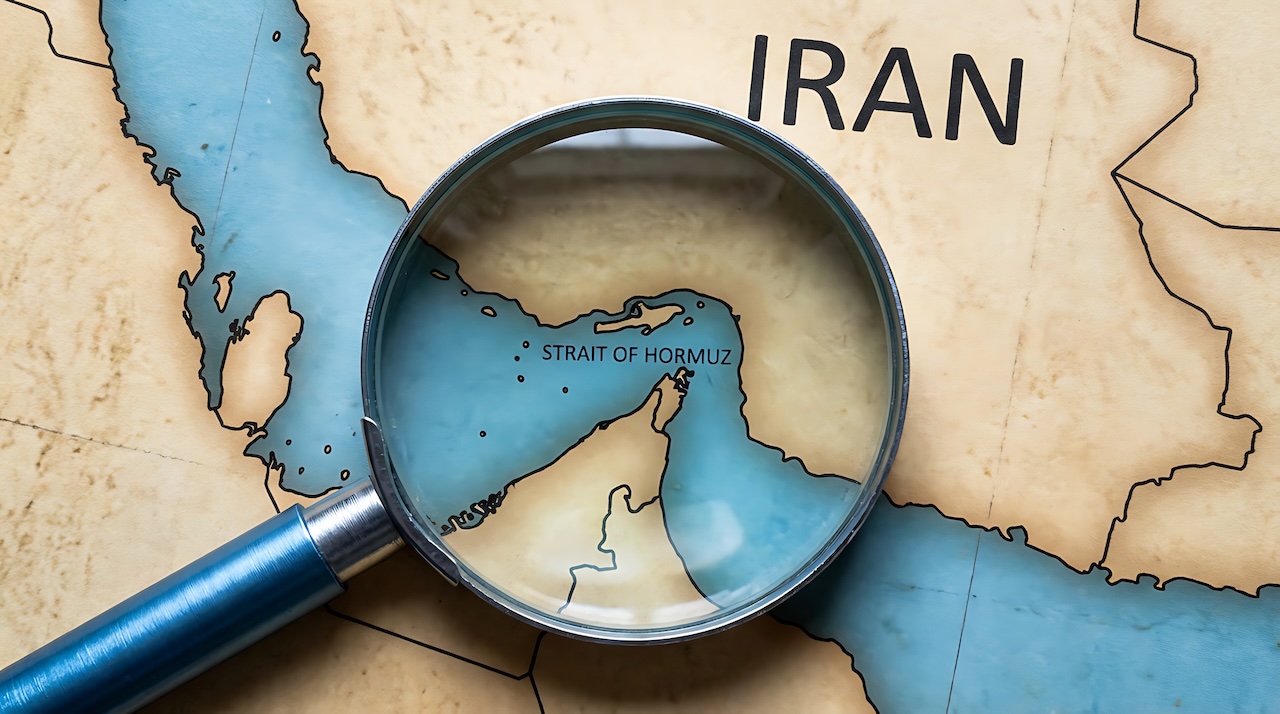
Hormuz Strait in Focus
The strategic Strait of Hormuz—a critical artery for global oil shipments—has once again become the epicentre of the crisis. US President Donald Trump confirmed that the blockade aims to curb Iran’s oil exports, adding that several allied nations are supporting the move.
Iran, on its part, claimed control over the strait and warned that vessels passing through would be required to pay tolls in its local currency. The competing assertions have heightened fears of disruption in one of the world’s busiest energy corridors.
Oil Markets React Sharply
Global energy markets responded immediately to the rising tensions. US benchmark crude surged to around $104 per barrel, while Brent crude crossed $102, marking a sharp spike driven by supply concerns.
Analysts warn that any prolonged disruption in the Strait of Hormuz could severely impact global oil supply chains, pushing prices even higher and adding pressure on inflation worldwide.

Military Options Back on the Table
According to reports, Washington is also weighing the possibility of renewed military action against Iran following the failed talks. The White House has maintained that “all options remain open,” indicating a fluid and potentially volatile situation.
Trump further claimed that Iran’s military capabilities have been significantly weakened, asserting that a large number of naval assets had been destroyed—claims that have not been independently verified.
Regional Flashpoints Intensify
The crisis is unfolding against a broader backdrop of instability in the region. In a separate development, tensions flared after an Israeli minister’s visit to the Al-Aqsa Mosque drew sharp criticism from Jordan, which termed the move provocative.
Meanwhile, Iran reported the arrest of around 50 individuals on charges of espionage, alleging links to the US and Israel.
Key Iranian Ports at Risk
Experts believe the US blockade could directly impact Iran’s major port infrastructure, including Kharg Island—its largest oil export terminal—as well as key hubs like Jask, Bandar Abbas, and Bandar Khomeini. Any disruption here could have far-reaching implications for global shipping and trade.
Rising Human and Economic Costs
Elsewhere in the region, ongoing Israeli strikes in Lebanon have pushed the death toll beyond 2,000, underlining the widening humanitarian crisis.
As tensions continue to mount, the world now watches closely, with fears that the situation could spiral into a broader conflict—one that not only threatens regional stability but also carries significant economic consequences for the global economy.